
Better Together
At Children's Hospital of Philadelphia, our goal is to improve the health of children wherever they are. Grounded in data and powered by partnerships, we know that children thrive when their communities thrive.
Our work is guided by a simple but powerful framework: Heal. Strengthen. Prosper. Together, we can meet today's needs, strengthen resilience for the future and invest in opportunities for lasting well-being.

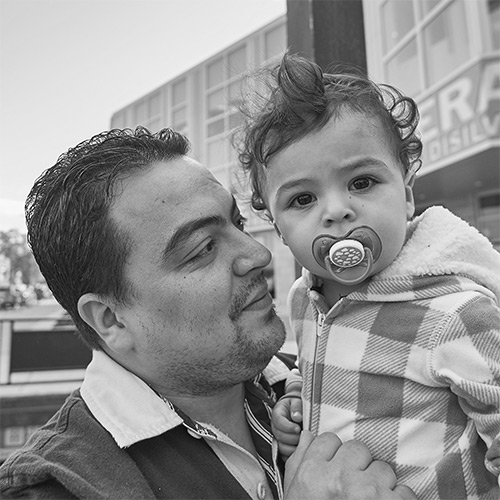
When Seconds Matter, So Does Community
Sudden cardiac arrest strikes without warning — even in healthy children and teens — leaving families forever changed. Each year, about 23,000 youth in the U.S. experience sudden cardiac arrest, with nearly 10,000 lives lost. Survival depends on who is nearby and actions taken in the first moments. Every minute of delay decreases survival by 10%.
Children’s Hospital of Philadelphia’s Youth Heart Watch equips communities with training and tools to act when every second counts. Learn More
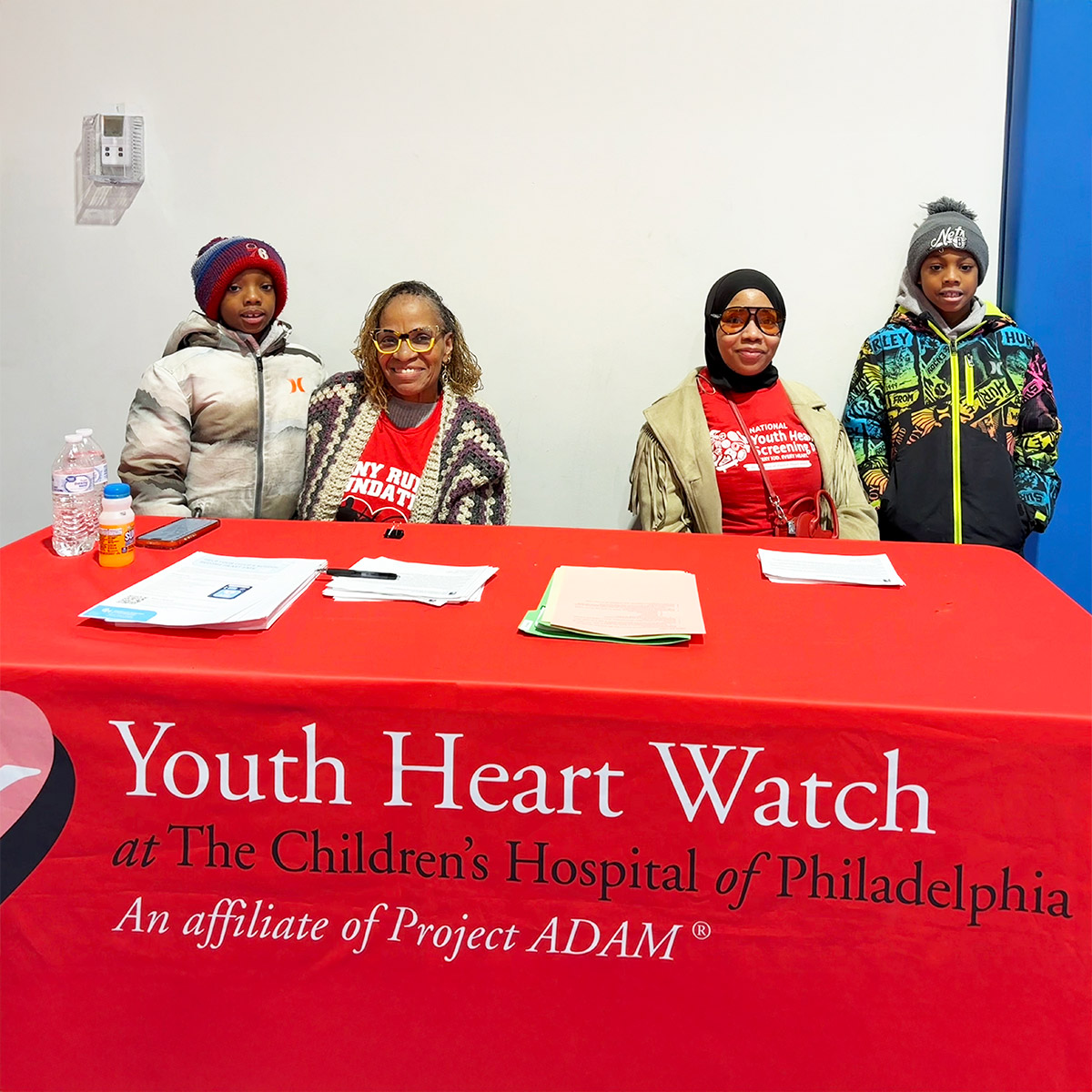
Bringing Lifesaving Skills Where Kids Gather
Youth Heart Watch brings prevention into schools and community spaces across Pennsylvania and New Jersey. Events include emergency drills, heart screenings, and hands-on CPR and AED training.
Free resources, expert coaching, and a lending library of manikins (practice dummies used for CPR) and AED trainers make preparation accessible wherever children learn and play.
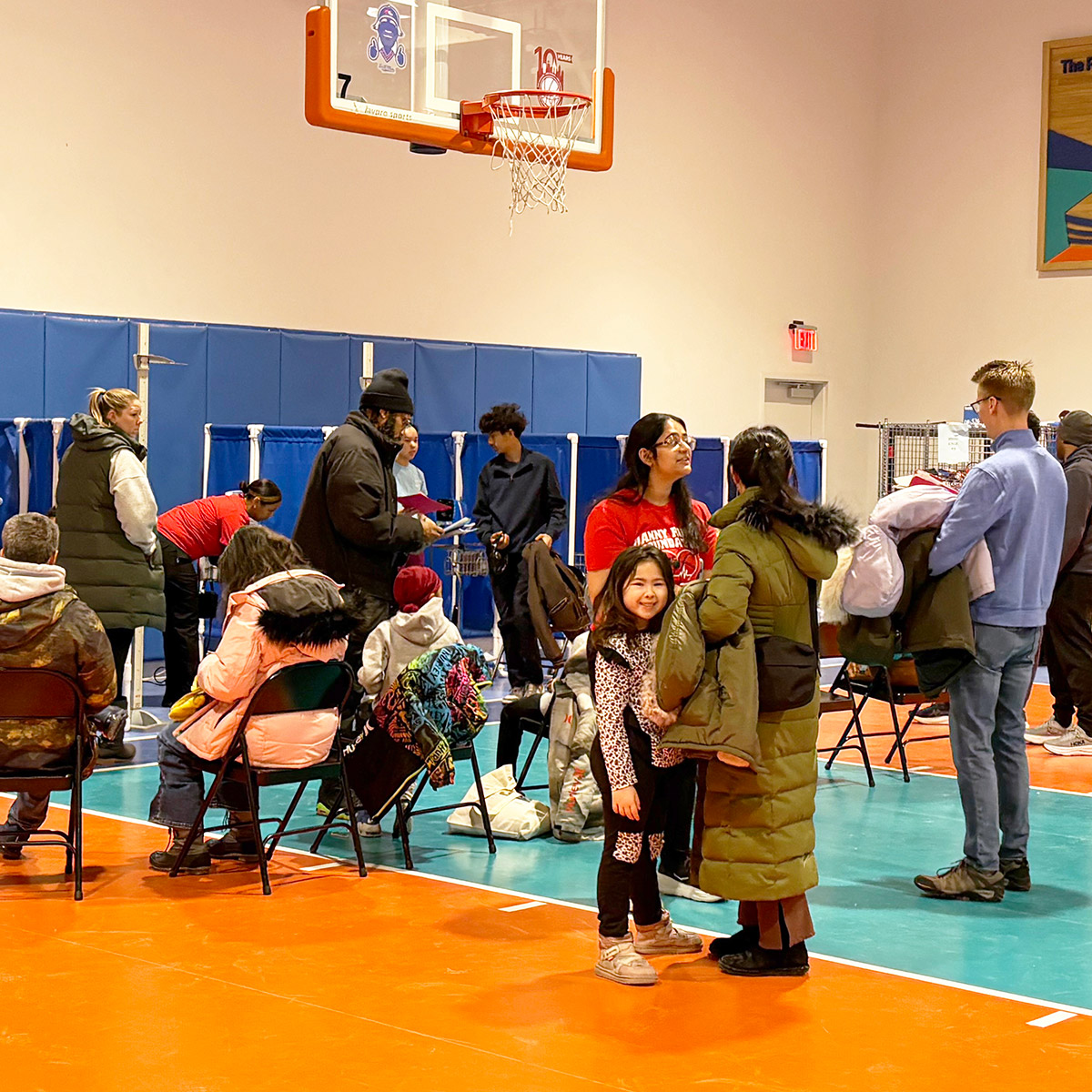
Protecting Young Hearts Early
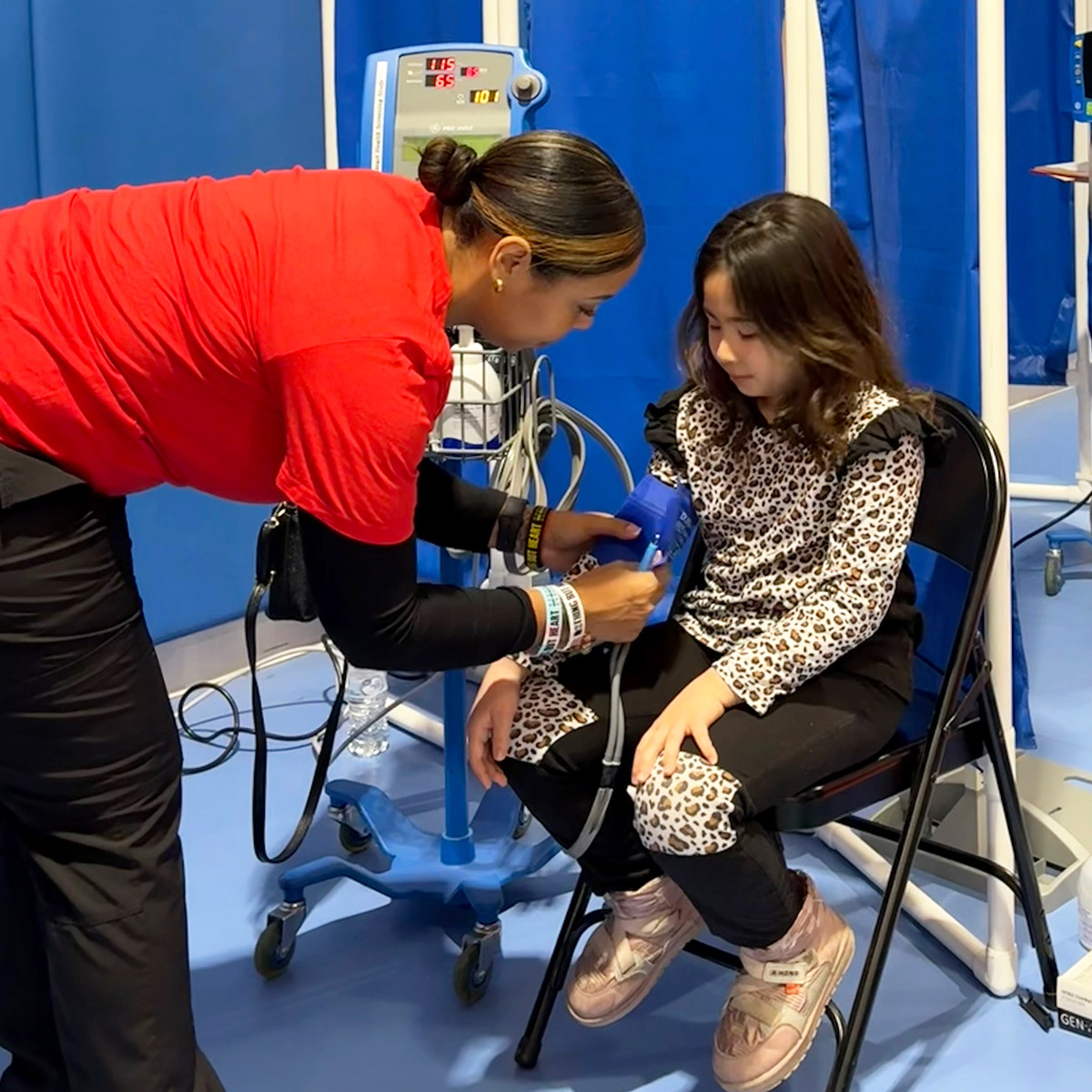
Prevention also involves identifying heart conditions before an emergency happens. Youth Heart Watch partners with community organizations to offer screenings where children and teens gather.
More than 5,000 children have been screened, with families connected to follow-up care when needed. Screenings are often paired with CPR demonstrations and health resources.
A Simple, Smart Solution
Period poverty can prevent people from attending school, work or job interviews. It can also lead to psychological stress, including shame and depression, and health issues like urinary or reproductive infections — especially for those in shelters.
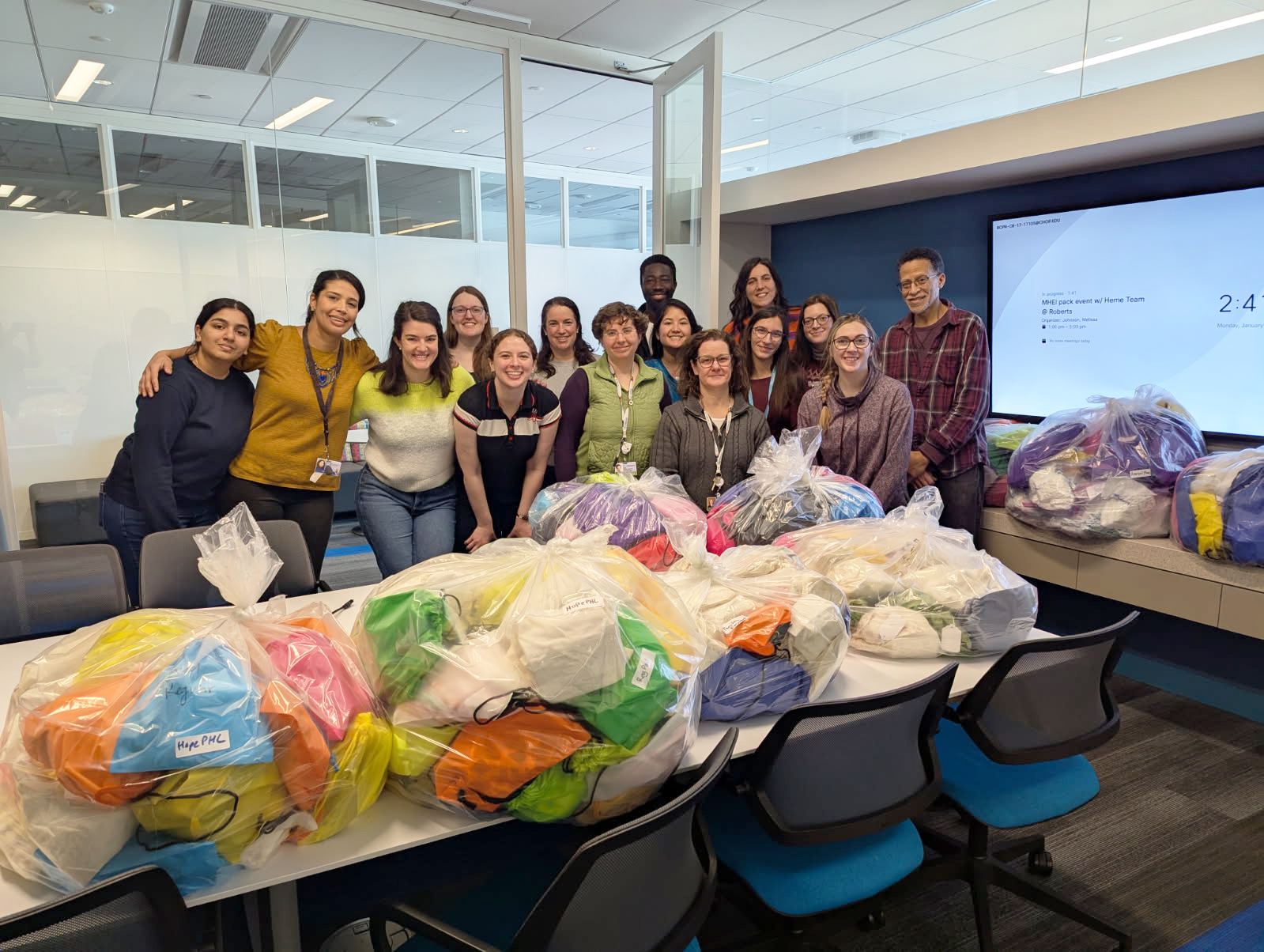
The Period Project, created by CHOP trainees, social workers, volunteers and HHI leaders with support from a CHOP Cares Community Grant, provides “period packs” with supplies for a full cycle, promoting health, dignity and opportunity.
Helping Thousands Every Year
The initiative has provided supplies for more than 10,000 periods. In a recent survey, 96% of participants said the packs help them attend school, work or job interviews.
“Most shelter residents arrive literally with just the clothes on their back and no means of income. Therefore, when their menstrual [cycle] comes on, they are in need of products. Having products on hand eliminates any shame or stigmas one may feel.”— Residential services manager at HHI partner shelter
Helpers Make It Happen
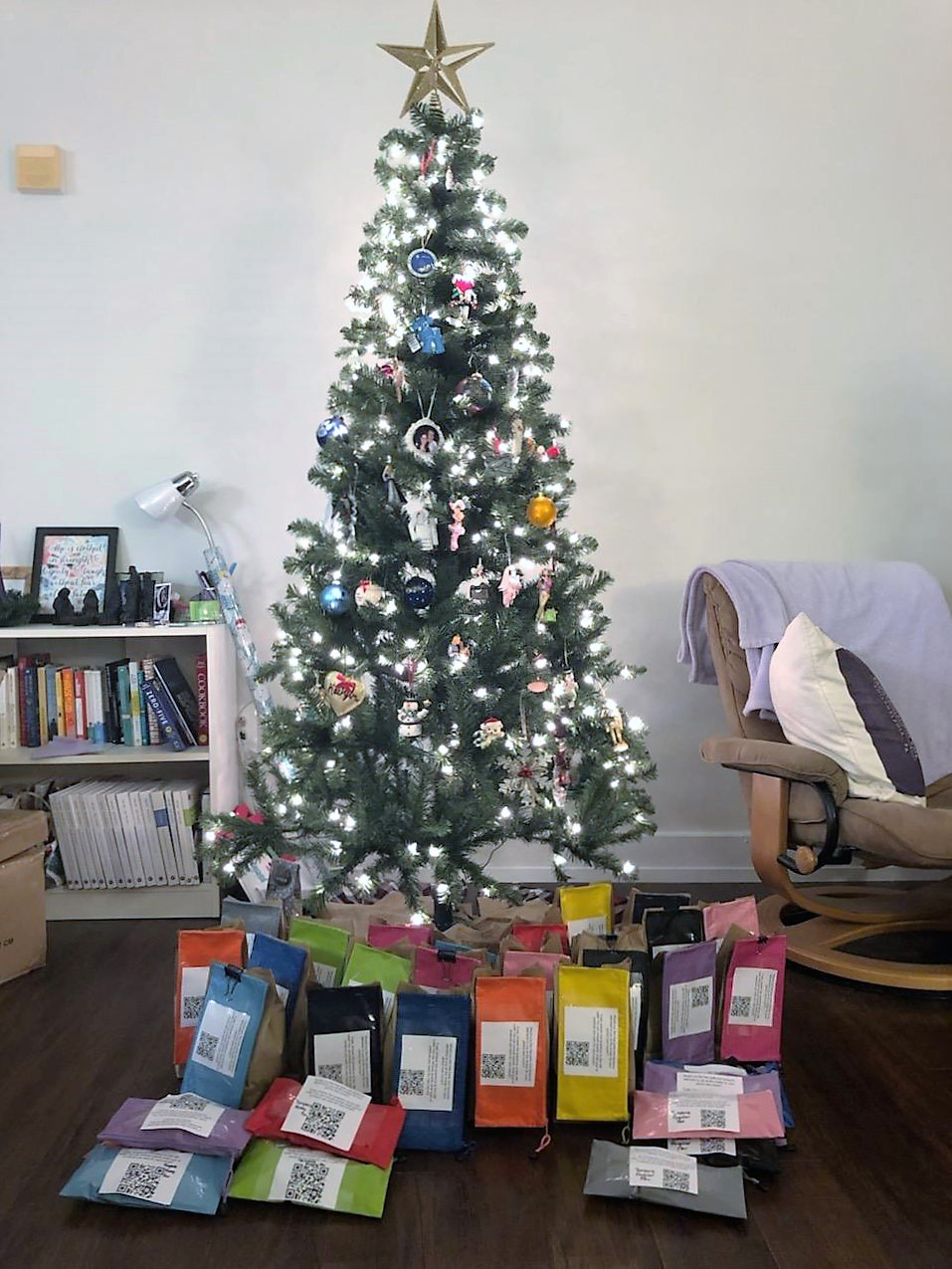
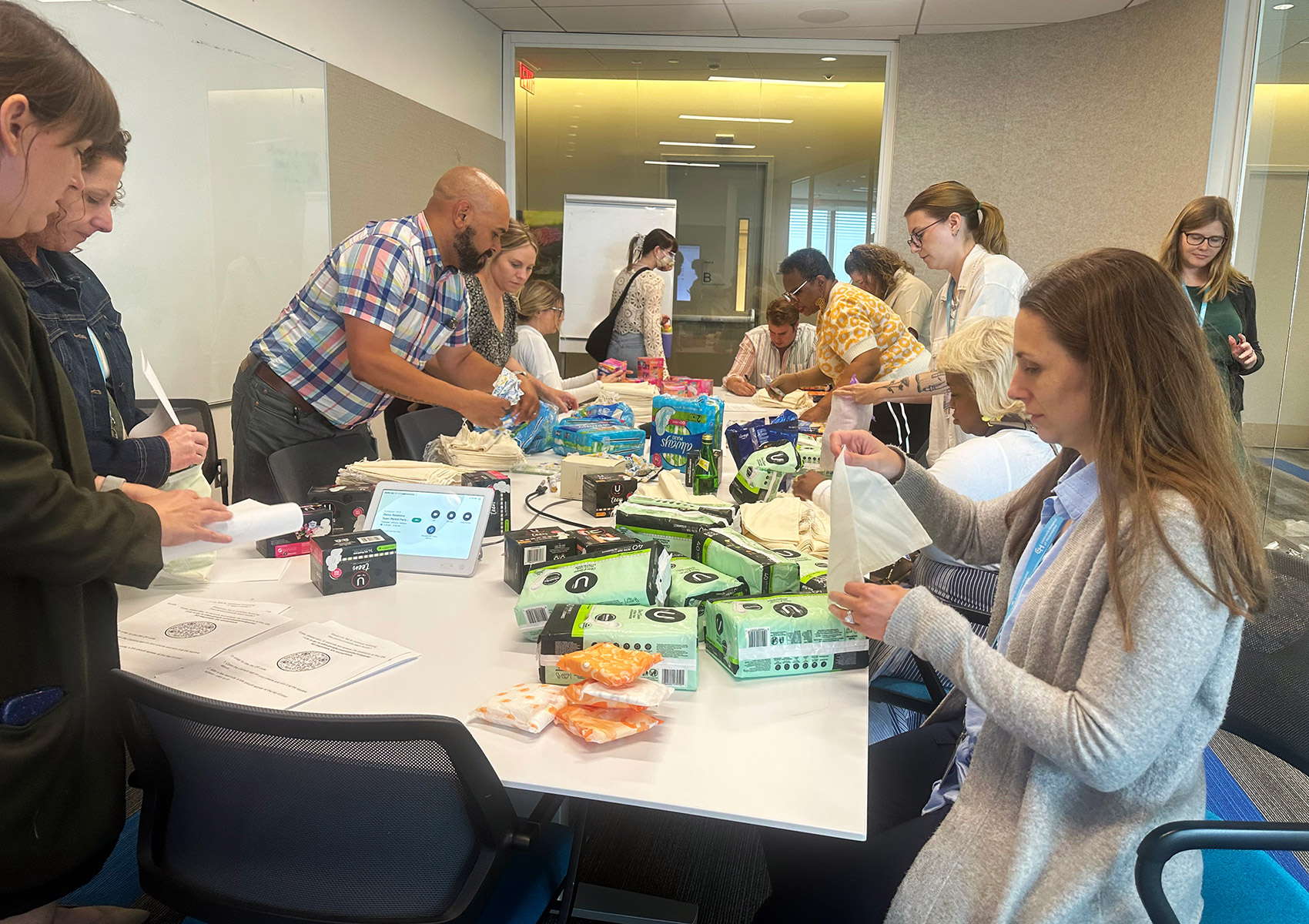
The Period Project relies on monetary donations, period product drives and in-kind donations to stay stocked and sustainable. Teams across CHOP and external partners support the effort by collecting donations and assembling kits at monthly volunteer events.
The project has also received support from the CHOP Foundation’s Helping Hands Community Care Challenge, with corporate volunteers joining in. These changemakers show how small actions can fight big inequities.
Promoting Wellness Equity to Help Kids BE-WEHL
Mental health is vital to overall well-being, and mind-body practices are effective tools for enhancing it. Recognizing this, Children's Hospital of Philadelphia (CHOP) launched the Integrative Health (IH) Program 10 years ago to incorporate wellness practices such as yoga, massage, aromatherapy and acupuncture into patient care.
Now, IH is bringing the benefits of these practices into the community through their Behavioral Health — Wellness Equity for a Healthy Life (BE-WEHL) program. Learn More
Launched in 2020
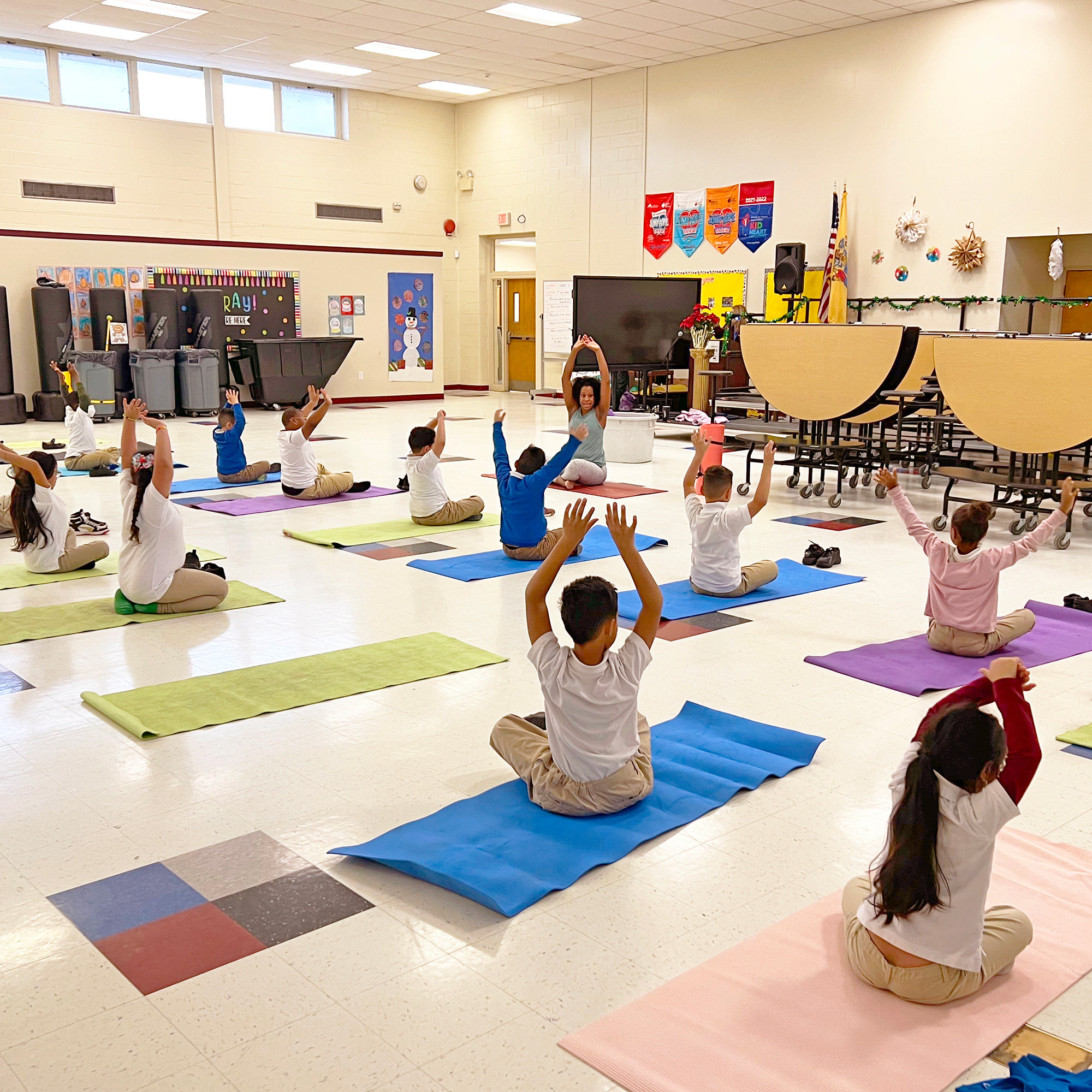
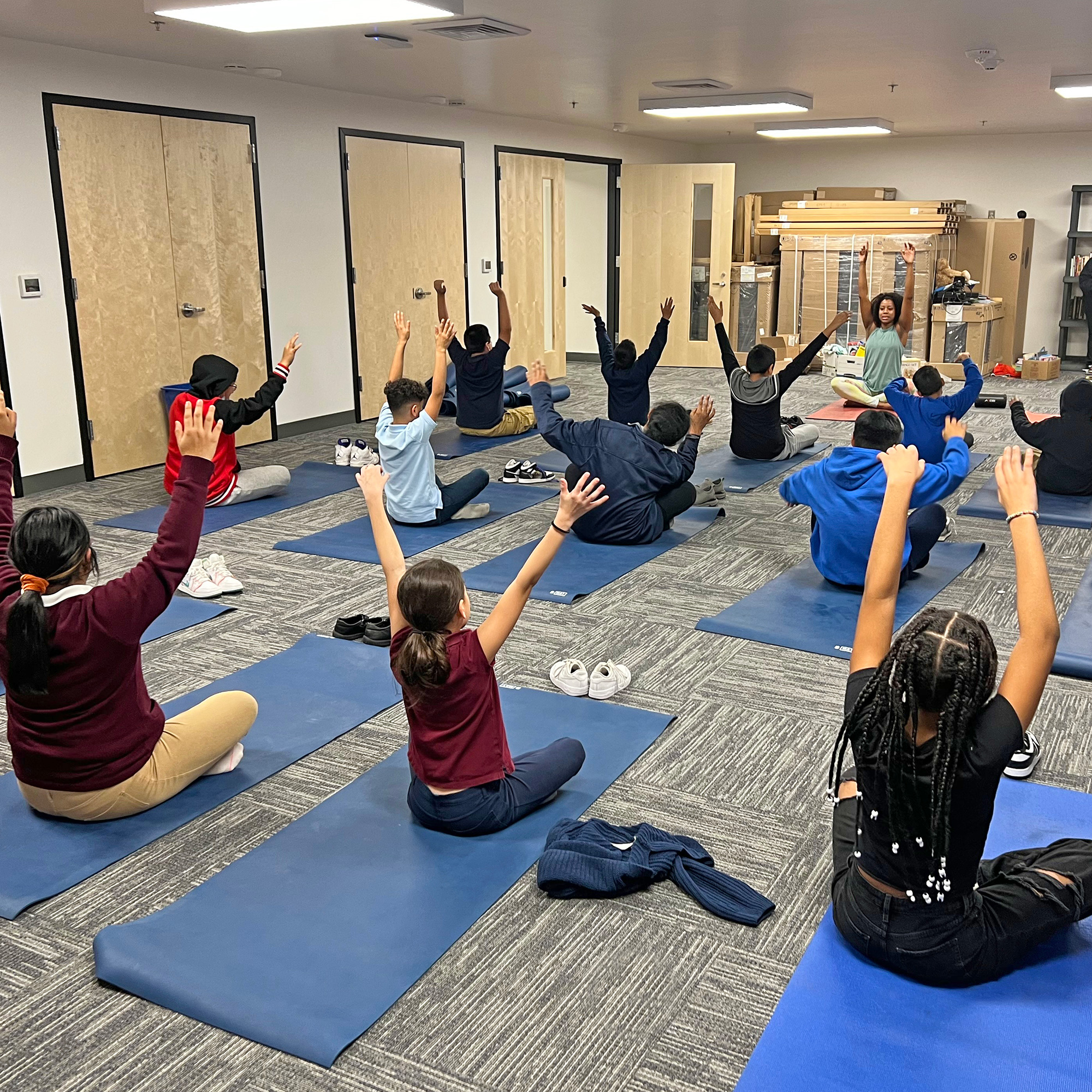
The BE-WEHL program offers a comprehensive seven-session curriculum designed to help children and families in under-resourced communities manage stress and cope with life's challenges. The curriculum covers mindfulness, nutrition, sleep, physical activity, yoga, self-massage, breathwork, nature and progressive muscle relaxation.
It was developed by experts from Integrative Health to address the unique needs of communities with higher levels of trauma and limited access to behavioral health professionals for children and adolescents.
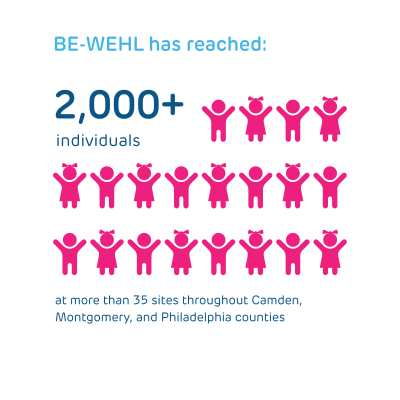
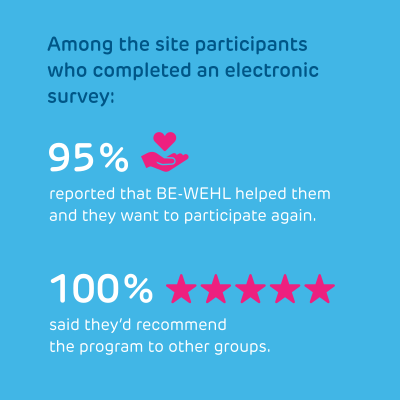
By the Numbers
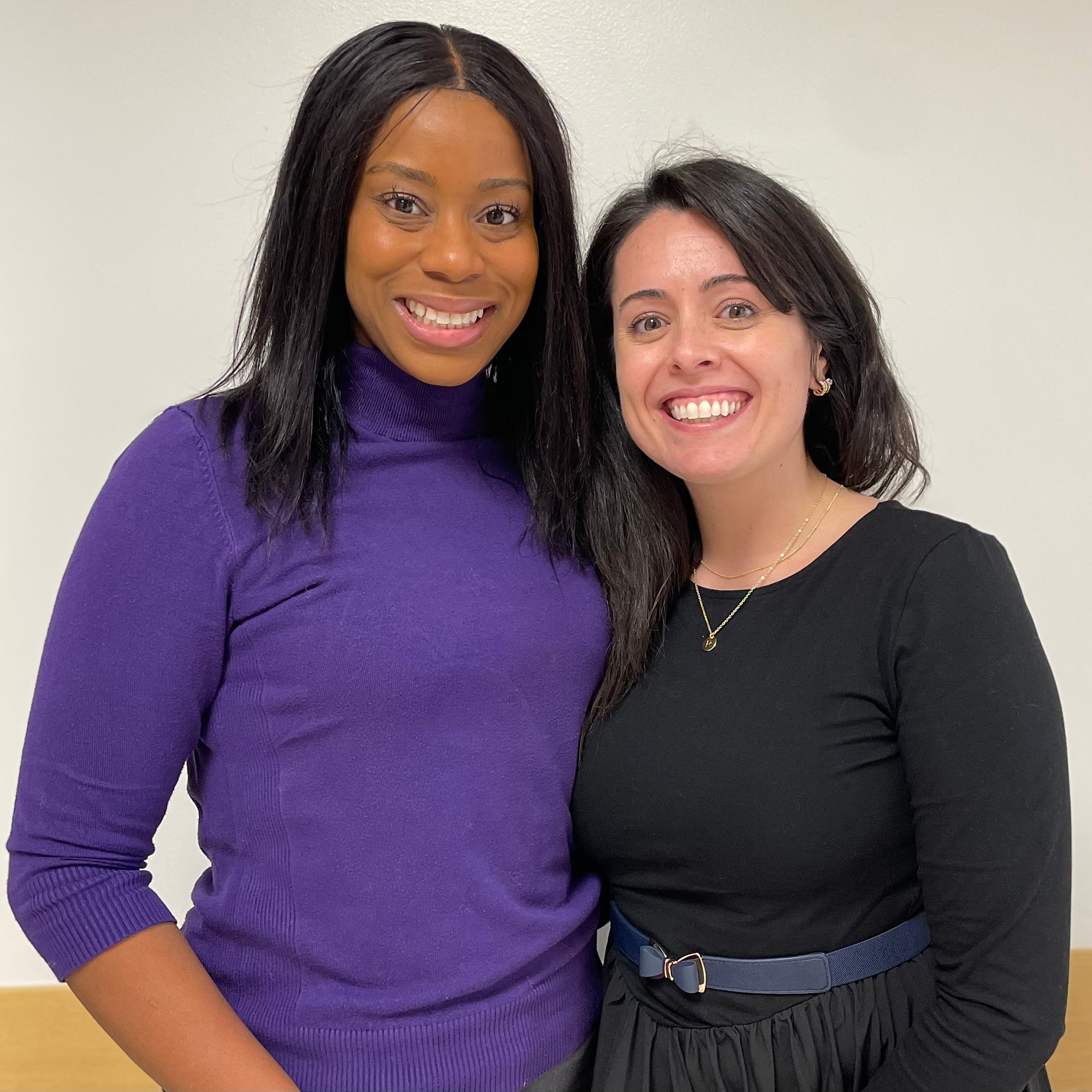
BE-WEHL is unique in that we're not talking about a disease-specific thing. The focus is on stress, wellness and mindfulness. That allows us to be flexible and adapt the program, while always focusing on children.
Complementary therapies, like yoga, massage, aromatherapy and acupuncture, are traditionally accessed by affluent populations, so as a team we really wanted to find a way to systematically make these practices more available to populations living in underserved areas.
Growth Since Launch
BE-WEHL has continuously evolved to maximize its impact and sustainability. Initially focused on offering one-on-one virtual classes for CHOP patients with behavioral health challenges and their families, the program expanded in 2022 with support from CHOP's Office of Community Impact. This funding enabled BE-WEHL to bring its curriculum into elementary schools, reaching children ages 5-14.
More recently, the program introduced professional training workshops empowering educators at early childhood centers to adopt wellness practices to manage their own stress and teach these strategies to children.

Medicine and More: The Family Connects Program
Sometimes, a family visiting the Emergency Department at Children's Hospital of Philadelphia has social needs that go beyond their child's immediate medical problem. Families may struggle to have enough food or a safe place to live. CHOP created Family Connects to provide community resources to meet those social needs. Learn More
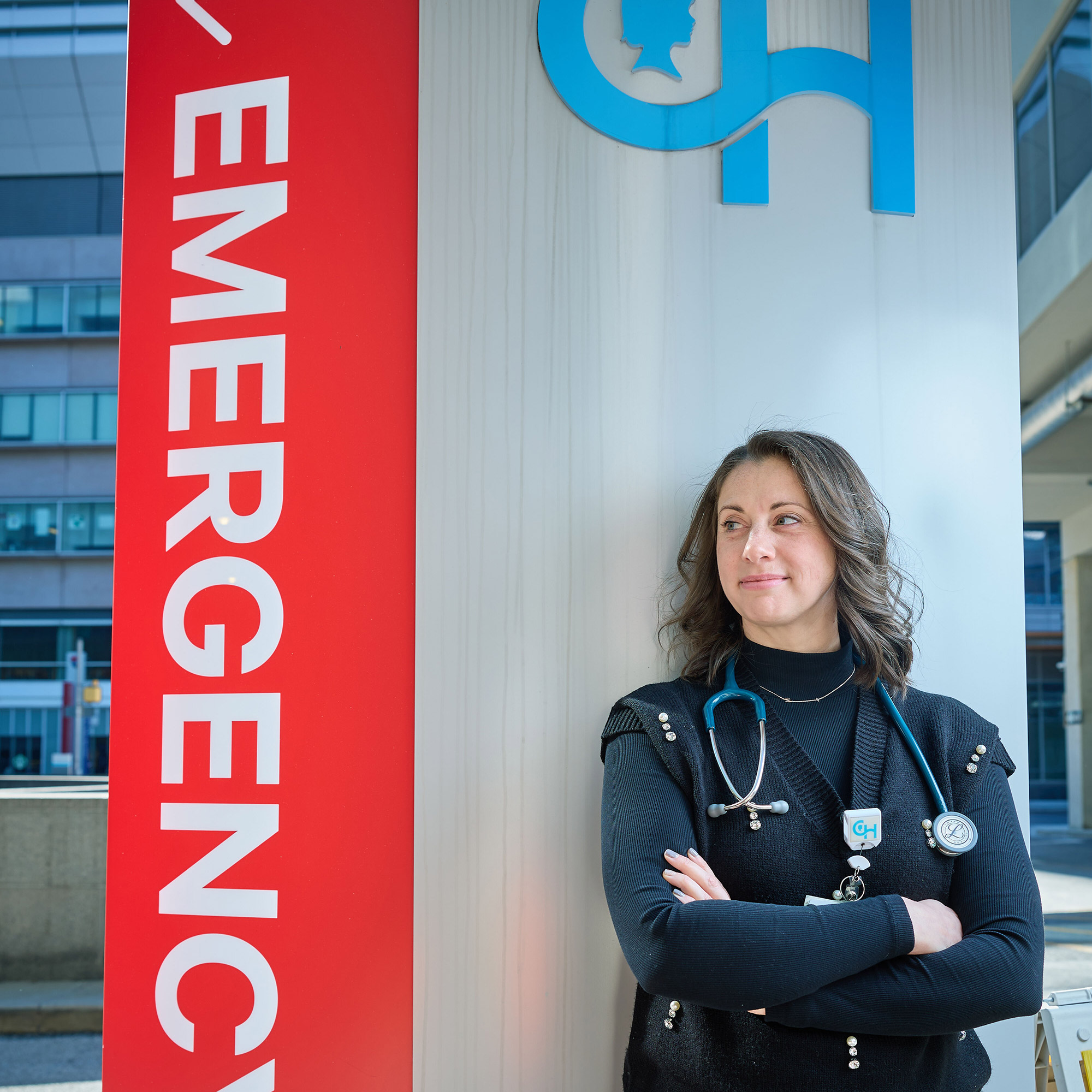
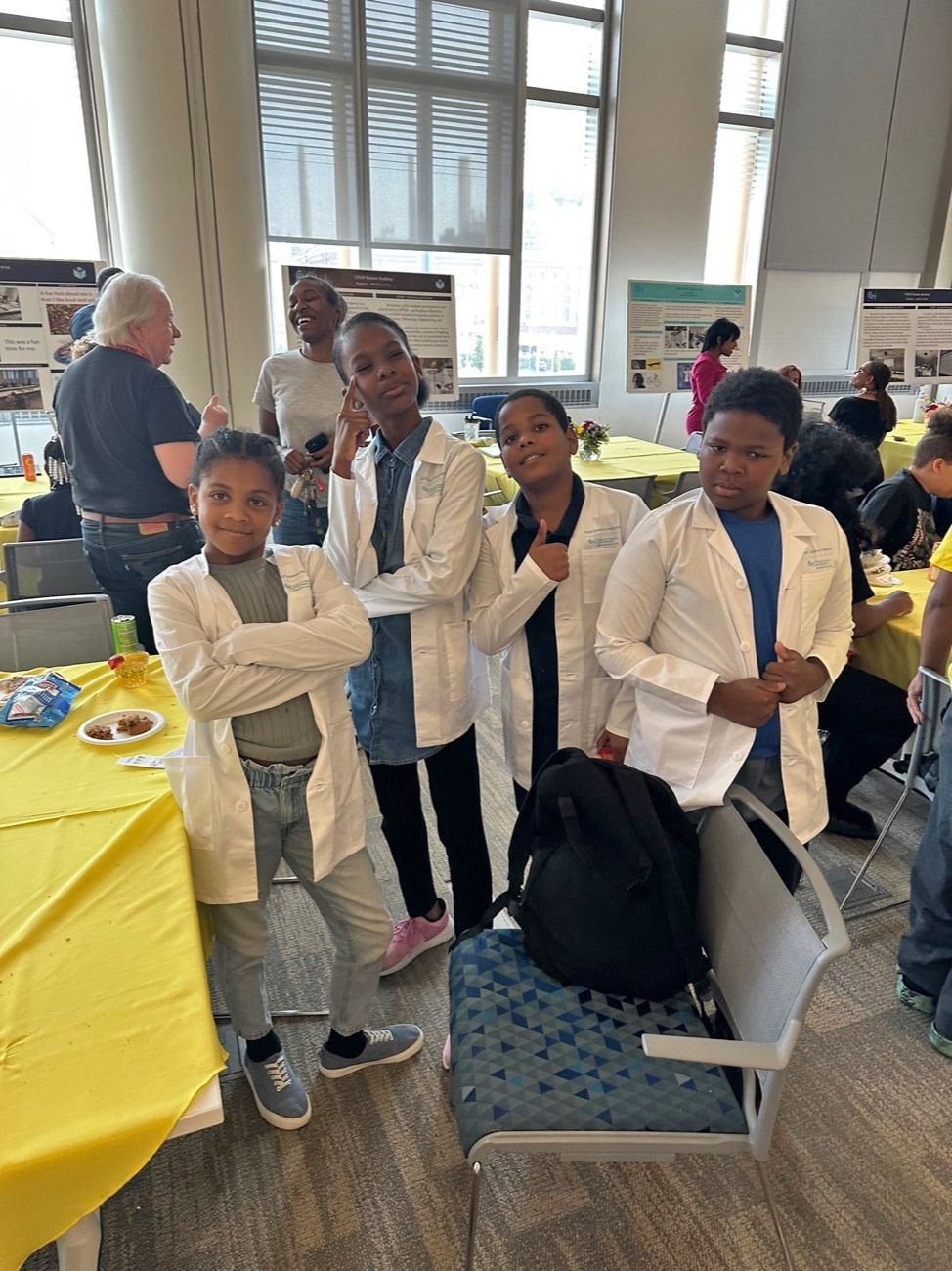
Working to Build a Future Workforce at CHOP
Part of CHOP's mission is to fill the registry of future healthcare workers with young people who reflect our diverse community and patient population. We have numerous programs that give youth from grade school through college opportunities to learn about the many roles across the institution — in patient care, administration, research and beyond.
Our robust internship programs, in particular, provide hands-on experience that can transform a student's career aspirations and prepare them for a job across the spectrum of healthcare. Learn More
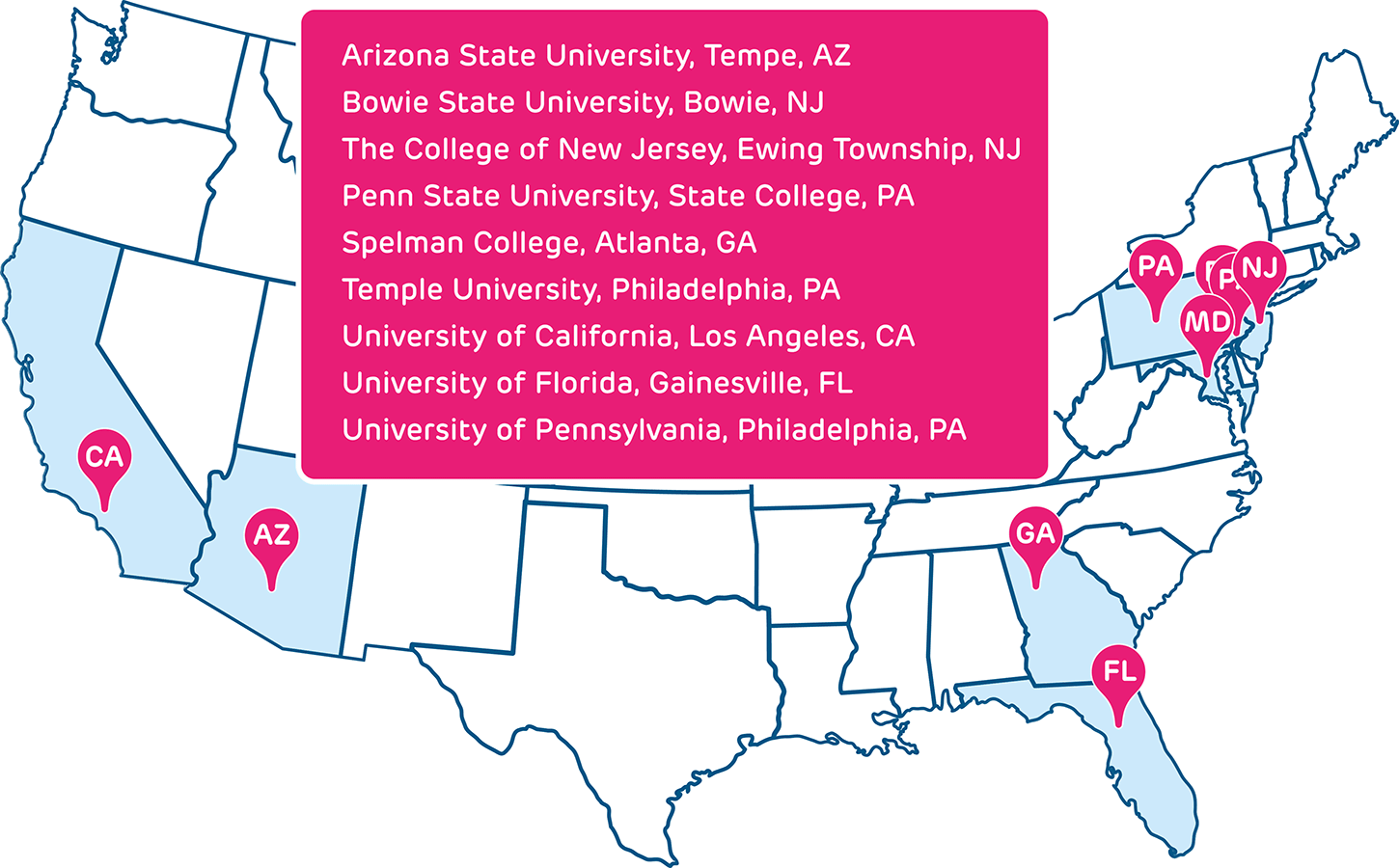
Training at CHOP Is a Nationwide Draw
The nine REU interns for 2023 came from colleges that spanned the United States.
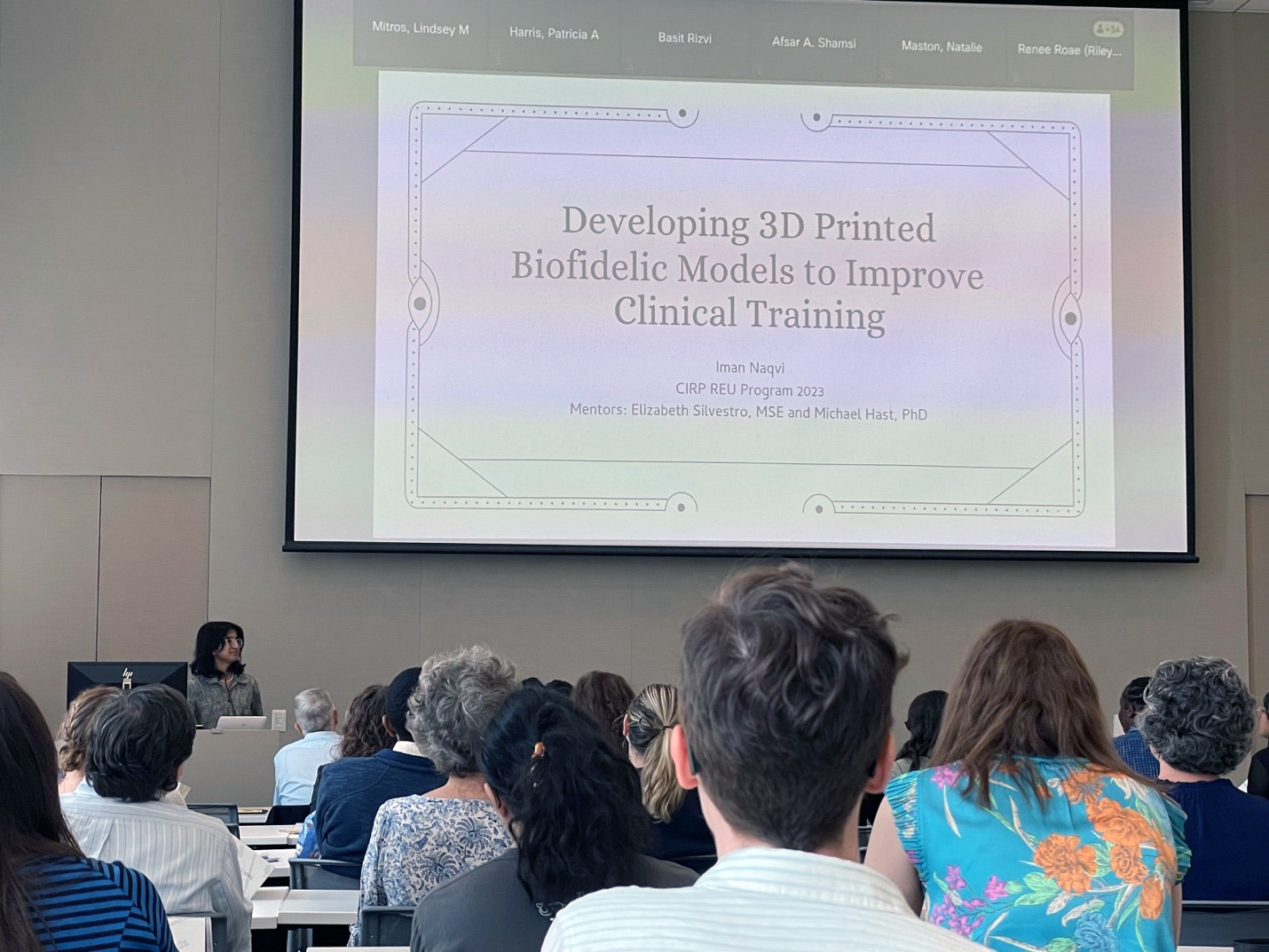
Safer Driving and Brain Injury Dominate Research Topics
Summer 2023 REU research topics included:
- Biomechanical Responses during Pre-Crash Maneuvers and Autonomous Driving Scenarios
- Understanding Eye-Glance Behaviors Among Young Drivers
- Analysis of Pediatric Occupant Kinematics and Kinetics in Motor Vehicle Crashes
- Social Equity and Spatial Effects on Safe Mobility
- Developing 3D-Printed Anthropomorphic Models to Improve Clinical Training
- Examining Learning to Drive, Risky Driving Behavior, and Crashes in Young Drivers
- Human Subject Study with Parents and Teens to Study Effectiveness of Driver Safety App
- Optimizing Concussion Care for Children and Adolescents
- Cognitive and Circuit Impairments Induced by Mild Traumatic Brain Injury
Our Financial Commitment
Our pledge to improve the health of children and the broader community takes on many forms: thousands of employee volunteer hours, free use of our facilities for community organizations, free health education and training for families and professionals, donated goods and services, and, of course, financial. Through all these efforts, in fiscal year 2025 (July 1, 2024, through June 30, 2025), CHOP contributed more than $830 million to this effort.
All financial data is for fiscal year July 1, 2024, through June 30, 2025. These reports include amounts expended by Children’s Hospital of Philadelphia’s hospital facilities, as reported on Schedule H of the IRS Form 990, and our controlled affiliates, including our physician practice plans, which are not required to complete Schedule H. Accordingly, the values on this fact sheet are greater than the amounts reported in the CHOP Schedule H, which applies only to our hospital facilities. For more information, call CHOP’s Office of Community Impact at 267-426-5506.
Financial Assistance Policy Summary: The mission of Children’s Hospital of Philadelphia is to advance healthcare for children. To help children get the care that they need, CHOP provides financial assistance for medically necessary and emergency care to patients who meet the eligibility requirements. If CHOP determines that a patient is eligible, CHOP will waive 100% of the patient’s financial responsibility (after all applicable insurances and other government assistance). Learn more about our financial assistance policy. View previous Community Impact Reports and Financial Commitments.
Fiscal Year 2025 Financial Commitment
| Category | Total |
|---|---|
| Financial Assistance / Charity Care Cost of medical care services for families that qualify for CHOP’s financial assistance policy | 9,862,372 |
| Medicaid Programs Unreimbursed cost of Medicaid and other means-tested government health programs | 456,385,461 |
| Community Health Improvement Services Community-based clinical services, health education and support services focused on public health | 28,102,896 |
| Health Professions Education Net costs incurred by CHOP to train health professionals, including pediatricians | 82,510,733 |
| Subsidized Health Services Hospital-based clinical services provided at a financial loss to the organization | 92,291,318 |
| Research Cost of studies that identify new treatments and cures | 154,351,477 |
| Cash and In Kind Contributions Funds and goods provided to other organizations to provide community benefit | 7,364,545 |
| Total | 830,868,802 |