
When Seconds Matter, So Does Community
Sudden cardiac arrest strikes without warning — even in healthy children and teens — leaving families forever changed. Each year, about 23,000 youth in the U.S. experience sudden cardiac arrest, with nearly 10,000 lives lost. Survival depends on who is nearby and actions taken in the first moments. Every minute of delay decreases survival by 10%.
Children’s Hospital of Philadelphia’s Youth Heart Watch equips communities with training and tools to act when every second counts. Learn More
Bringing Lifesaving Skills Where Kids Gather
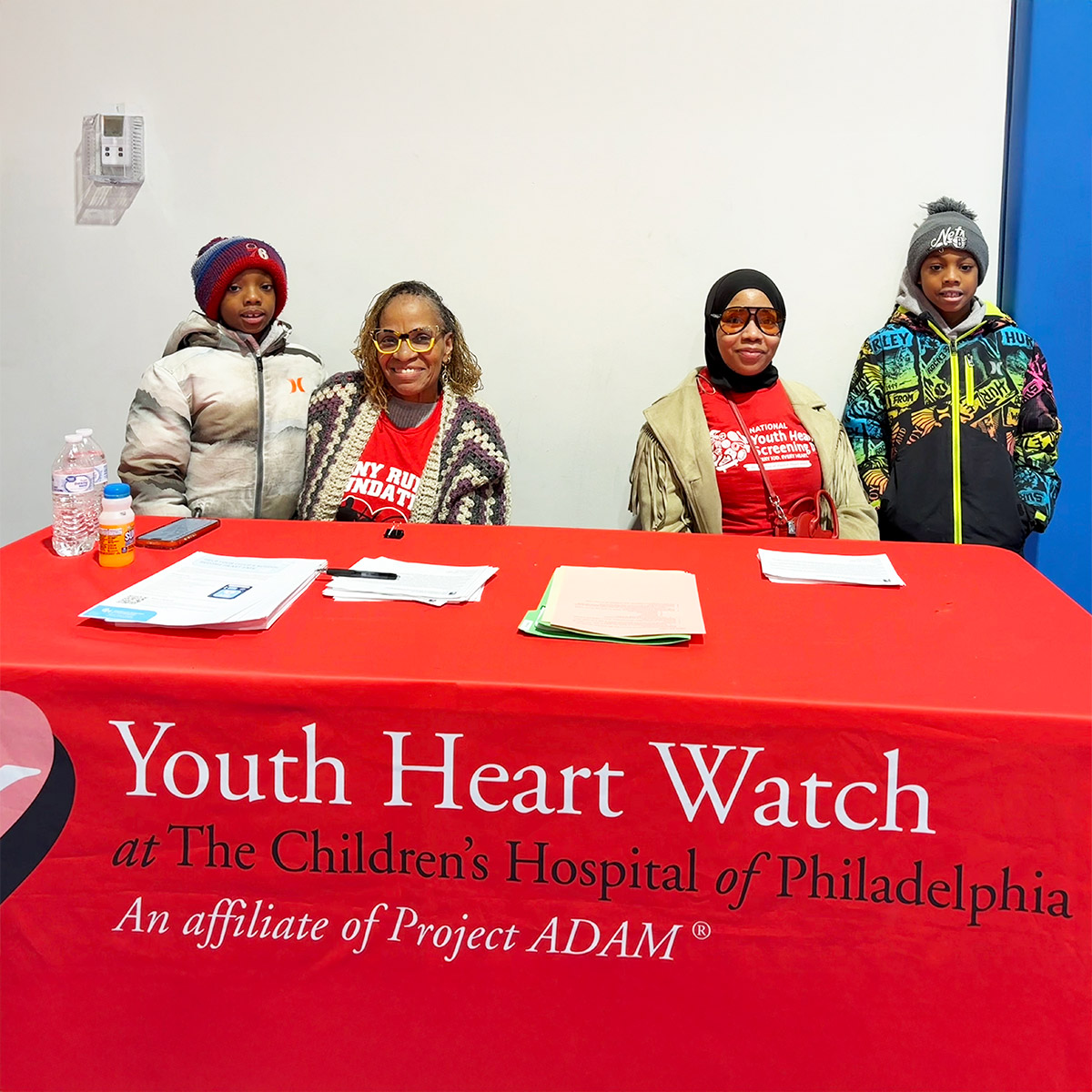
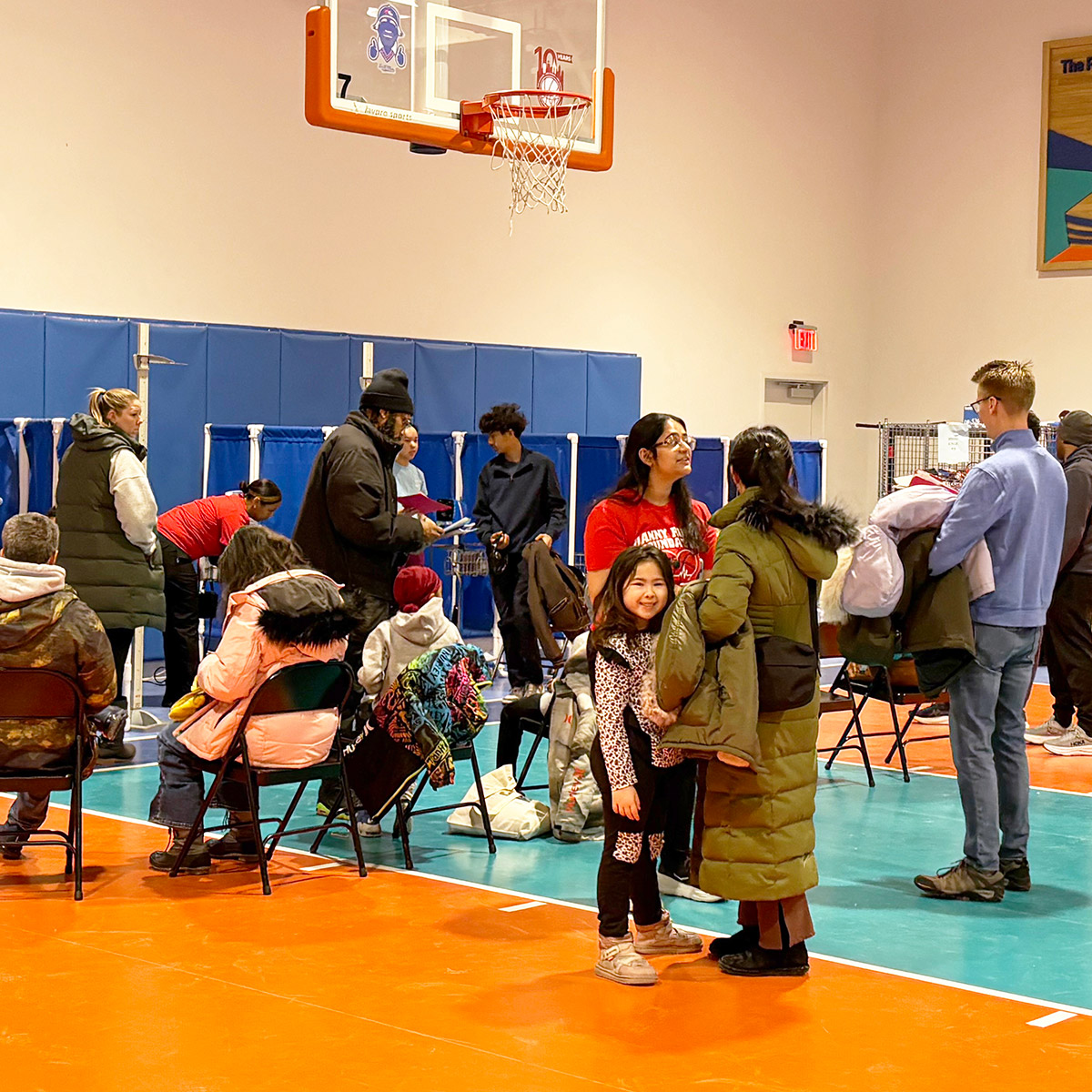
Youth Heart Watch brings prevention into schools and community spaces across Pennsylvania and New Jersey. Events include emergency drills, heart screenings, and hands-on CPR and AED training.
Free resources, expert coaching, and a lending library of manikins (practice dummies used for CPR) and AED trainers make preparation accessible wherever children learn and play.
Building Heart Safe Communities
Sudden cardiac arrest is the leading cause of death on school campuses, accounting for 75% of athlete-related youth deaths. Schools with AEDs, emergency plans and regular drills can see survival rise to nearly 90%. See the study examining cardiac arrest outcomes in U.S. high schools.
As an affiliate of Project ADAM®, a national movement advancing cardiac emergency readiness in youth spaces, Youth Heart Watch helps schools and organizations earn Heart Safe designation. CHOP provides training, on-site coaching and drills so staff and students know their roles before a crisis.
Youth Heart Watch Impact at a Glance
- 270 Heart Safe Schools
designated — and counting - 8,700+ people trained in CPR
and AED use - 5,000+ children screened through
community events
Protecting Young Hearts Early
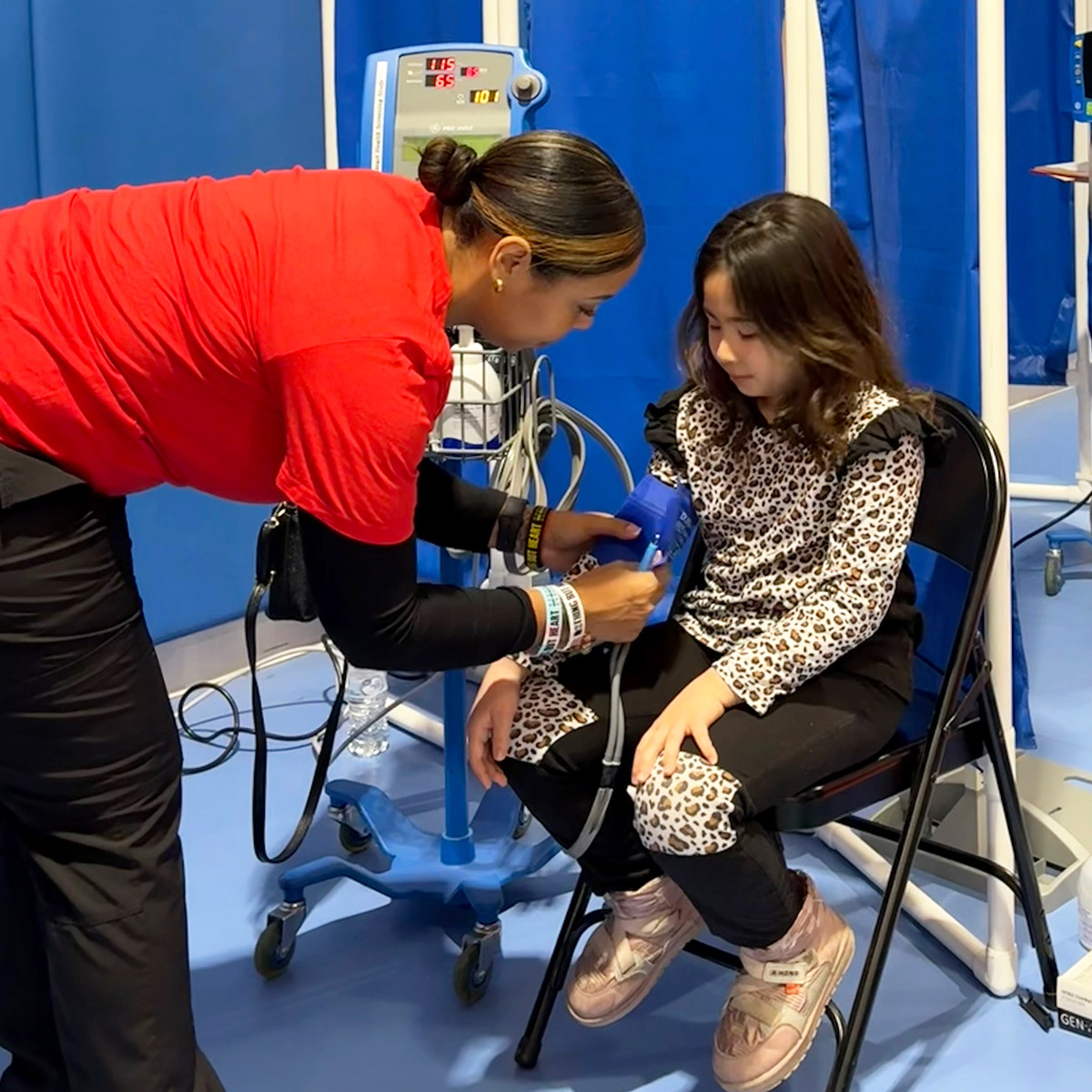
Prevention also involves identifying heart conditions before an emergency happens. Youth Heart Watch partners with community organizations to offer screenings where children and teens gather.
More than 5,000 children have been screened, with families connected to follow-up care when needed. Screenings are often paired with CPR demonstrations and health resources.
When Practice Becomes Lifesaving Action
After training and a full-scale drill, one school responded to a real emergency when a student was found unresponsive. Because staff had practiced their roles — calling 911, starting CPR, retrieving the AED — the response was immediate, and the student survived.
At another campus, trained staff recognized cardiac arrest in a parent and intervened quickly. These moments show how practice empowers bystanders to act.
2025–26 Highlights: Saving Lives &
Supporting Recovery
- 333 children screened for heart conditions
- 7 AEDs donated to community sites, each paired with training and response planning
Supporting Recovery and Building for the Future
Youth Heart Watch continues to expand through partnerships with schools, youth sports programs and community organizations. Supported by CHOP’s Office of Community Impact, the team is developing the HEARTS Program (Helping Empower and Assist in Recovery from Trauma following Sudden Cardiac Arrest) to provide psychosocial support for survivors, families, bystanders and care teams.
Want to help your child’s school or youth group become Heart Safe? Contact YouthHeartWatch@chop.edu.